

MUST Achieves New Breakthrough in Dual Carbon Strategy: Macao Institute of Green and Net-Zero Technology Inaugurated


MUST Achieves New Breakthrough in Dual Carbon Strategy: Macao Institute of Green and Net-Zero Technology Inaugurated
On the morning of 17 September 2026, the Forum on the Development of Green and Net-Zero Technologies in the Greater Bay Area, hosted by the Faculty of Innovation Engineering of Macau University of Science and Technology (MUST), was successfully held at the Academic Complex, Block R, Macau University of Science and Technologyof MUST. The forum brought together approximately 200 participants, including representatives from government departments, academic institutions and industry, as well as representatives of relevant university departments, faculty members and students. Guests included representatives from the Environmental Protection Bureau, the Hong Kong Green Building Council, the Macao Science Center, Renmin University of China, Jinan University, the China Electronic Energy Saving Technology Association, the Green Development Institute (GDI), the China Green Building and Energy Saving (Macau) Association, MGM, the Greater Bay Area Carbon Neutrality Association, and Hotel Low Carbon Development Research Institute.
Focusing on the latest developments in green and net-zero technologies, the forum featured a series of significant milestones for MUST. The Macao Institute of Green and Net-Zero Technologies was officially inaugurated, the MUST zero-carbon smart campus system, “MUST Zero,” was officially launched, and the MUST Living Lab was also formally initiated. A number of distinguished experts and scholars delivered keynote presentations on related topics. These initiatives mark a significant and solid step forward for MUST in advancing research and innovation in green, low-carbon and net-zero technologies.
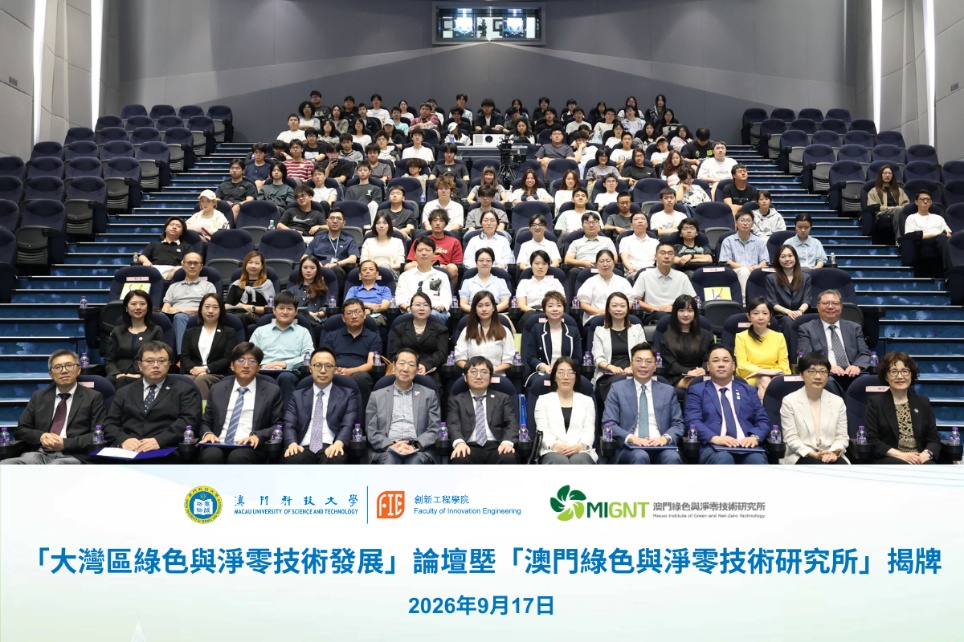
Group photo of all participants at the Forum on the Development of Green and Net-Zero Technologies in the Greater Bay Area
At the opening ceremony, Chair Professor Chen Yong, Vice President of MUST, delivered a welcome address. He noted that China’s national “Dual-Carbon” strategy has created significant opportunities for green technology innovation in the Greater Bay Area. Macau should fully leverage its international advantages to facilitate the application and implementation of relevant technologies. The newly established institute will focus on key areas including net-zero technologies and green buildings, while advancing research innovation and talent development to inject new momentum into the green transition of Macau and the Greater Bay Area.
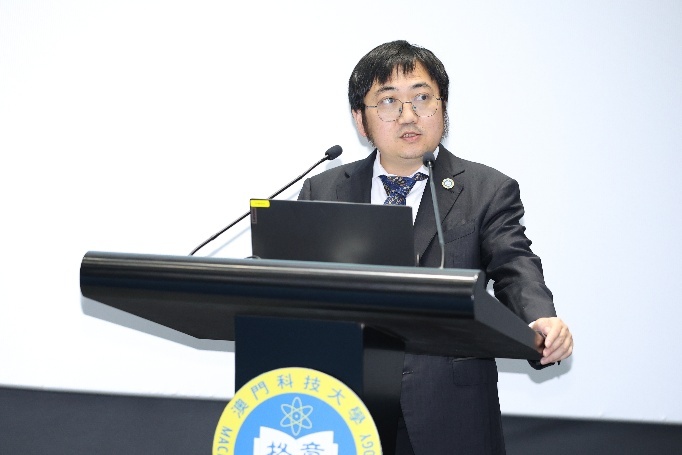
Chair Professor Chen Yong, Vice President of MUST, delivering his welcome address
Professor Matthias Finkbeiner of Technische Universität Berlin delivered a video address, emphasizing from a life cycle assessment perspective that the transition to net zero should move beyond a single focus on carbon indicators and comprehensively consider environmental impacts across the entire value chain. He expressed his hope that the institute would serve as a bridge connecting the Greater Bay Area with the international community. Professor Sonia Valdivia of the World Resources Forum highlighted the importance of advancing the net-zero agenda in synergy with the circular economy, emphasizing resource circularity and a just transition.
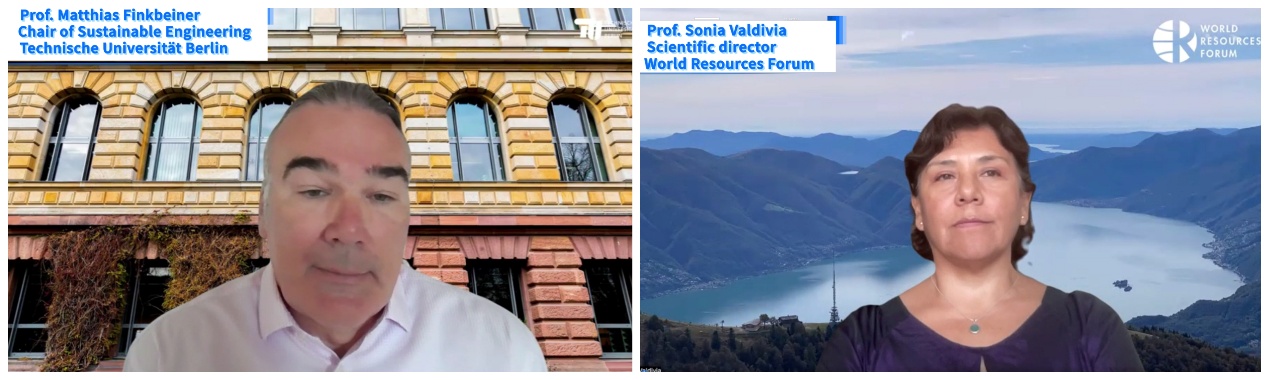
Professor Matthias Finkbeiner of Technische Universität Berlin and Professor Sonia Valdivia of the World Resources Forum delivering speech
In her address, Professor Sun Qiao, Dean of the Faculty of Innovation Engineering at MUST, reviewed the Faculty’s development and interdisciplinary academic structure. She stated that the Faculty would support the newly established Macao Institute of Green and Net-Zero Technologies, with a focus on net-zero technologies and green buildings. Through practical platforms such as MUST Zero and the Living Lab, the Faculty will promote the development of a carbon-neutral campus and provide replicable experiences and innovative support for Macau’s economic diversification and the green transition of the Greater Bay Area.
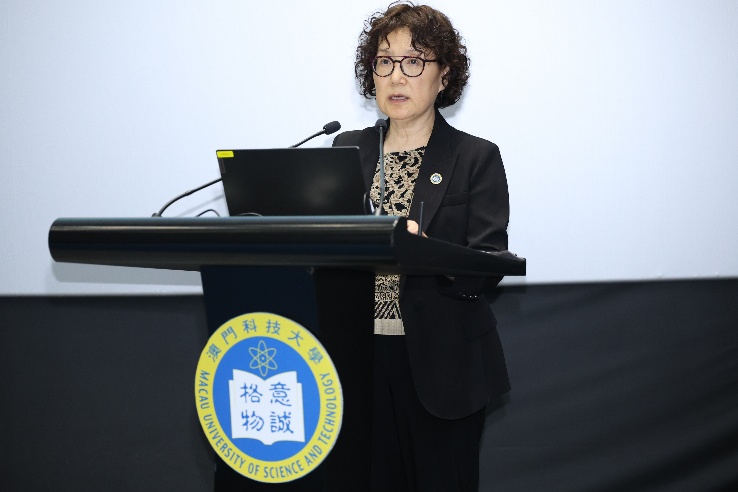
Professor Sun Qiao, Dean of the Faculty of Innovation Engineering at MUST, delivering her address
Following the addresses by the distinguished guests, the inauguration ceremony of the institute was officially held. Chair Professor Chen Yong, Vice President of MUST; Professor Sun Qiao, Dean of the Faculty of Innovation Engineering; Ms. Yu Jiali, IUR Project Manager of Research and Technology Administration Office; and Professor Dong Yahong, Director of the Macao Institute of Green and Net-Zero Technologies, jointly unveiled the institute, marking the official establishment of the Macao Institute of Green and Net-Zero Technologies.
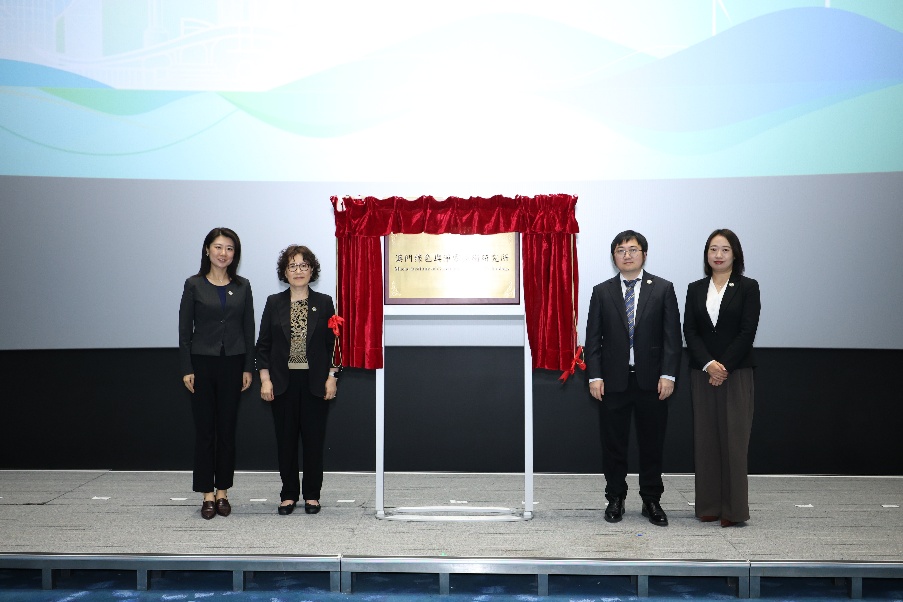
Inauguration ceremony of the Macao Institute of Green and Net-Zero Technologies
Following the inauguration, Professor Dong Yahong, Director of the Macao Institute of Green and Net-Zero Technologies, outlined the vision of the institute. She stated that, guided by China’s national “Dual-Carbon” strategy, the institute will focus on areas including net-zero technologies, green buildings, carbon trading, and low-carbon smart systems. It will promote interdisciplinary research and talent development and leverage the campus Living Lab to validate and implement research outcomes in real-world settings. Through these efforts, the institute aims to support MUST in achieving its campus carbon-neutrality goals and provide feasible solutions for regional green transformation.
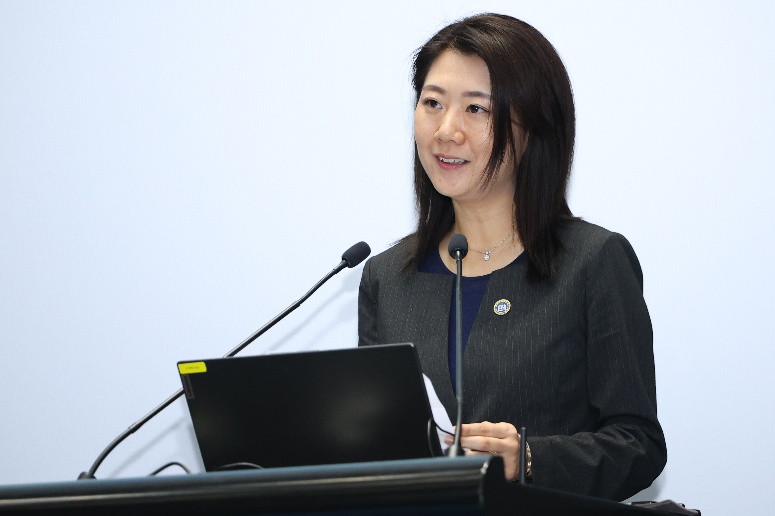
Professor Dong Yahong, Director of the Macao Institute of Green and Net-Zero Technologies, delivering her address
Following the inauguration ceremony, the MUST zero-carbon smart campus system, “MUST Zero,” was officially launched. Independently developed by the MUST research team, the system integrates technologies including the Internet of Things (IoT) and digital twins to establish an integrated platform covering carbon emissions accounting, real-time monitoring, and green building management. It enables accurate management and visualization of carbon flows across the campus. The launch of MUST Zero marks a new stage in the development of MUST’s zero-carbon smart campus and provides a valuable reference for the low-carbon transformation of universities in the Greater Bay Area.
The MUST Living Lab was also officially launched. As a user-participatory innovation model, the Living Lab aims to establish a collaborative platform involving government, universities, enterprises and social organizations, enabling the development and validation of sustainable technologies in real-life environments. Its launch will further promote MUST as a new demonstration platform for industry-academia-research collaboration and provide an important practical environment for advancing green and net-zero technologies from the laboratory to real-world industrial applications.
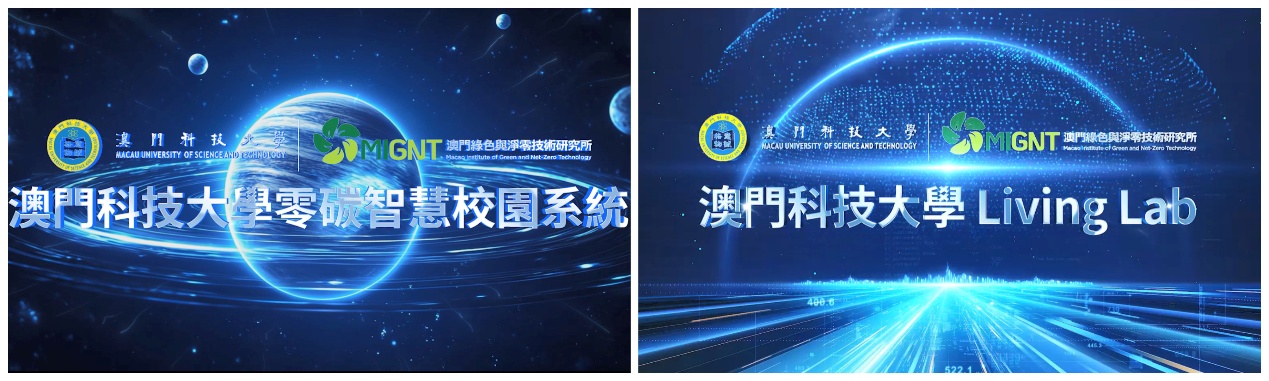
Launch ceremony of the MUST Zero zero-carbon smart campus system and MUST Living Lab
During the forum, the Academic Committee and Industry Committee of the Macao Institute of Green and Net-Zero Technologies were officially established, followed by the presentation of appointment certificates. The Academic Committee brings together leading scholars from renowned universities and international organizations in China and abroad. It aims to foster interdisciplinary research and advance cutting-edge theoretical development and technological innovation in the field of green and net-zero development. The Industry Committee brings together representatives from the green industry and is designed to serve as a bridge between the institute and industry. It will accelerate the transition of net-zero technologies from the laboratory to industrial application and contribute to the green and low-carbon transformation of Macau and the Greater Bay Area.
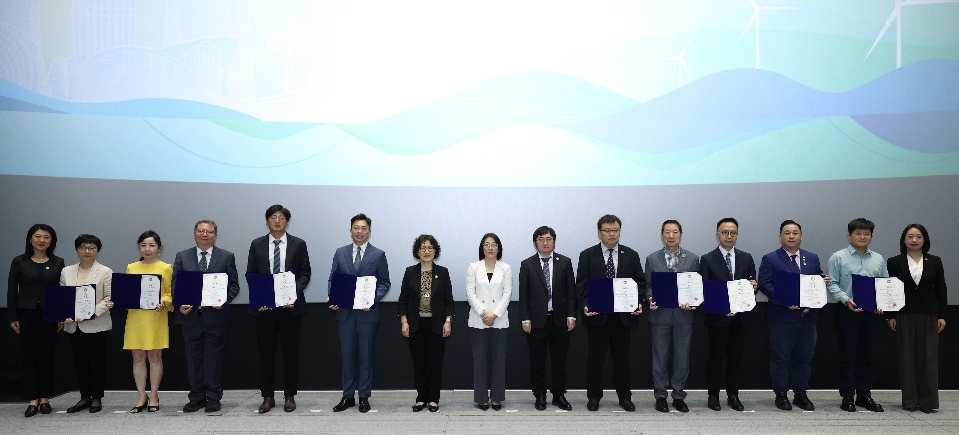
Appointment ceremony for members of the Academic Committee and Industry Committee
Following the ceremony, the forum proceeded to the keynote presentation session, where three distinguished experts and scholars delivered presentations on topics including green buildings, ocean carbon sinks, and technological innovation.
Mr. Ho Chi Shing, Chief Executive Officer of the Hong Kong Green Building Council, delivered a keynote presentation entitled “From Campus to the Greater Bay Area: How BEAM Plus Drives a New Ecosystem for Campus Carbon Neutrality and Green Education.” He shared practical experience on how green building assessment systems can contribute to achieving carbon neutrality on university campuses.
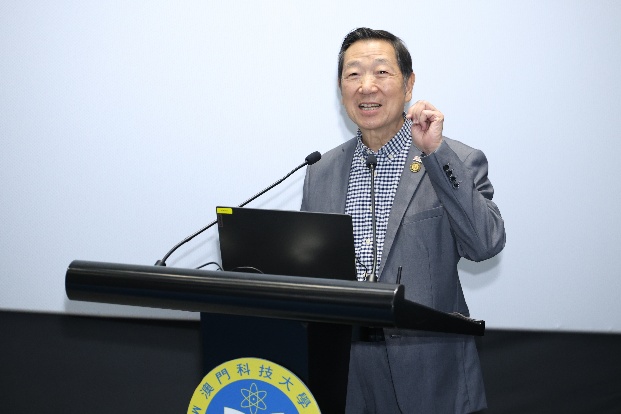
Mr. Ho Chi Shing, Chief Executive Officer of the Hong Kong Green Building Council, delivering his keynote presentation
Professor Liu Dahai of the School of Public Administration at Renmin University of China delivered a keynote presentation entitled “Progress in the Classification, Accounting and Planning of Ocean Carbon Sinks in the Context of Carbon Neutrality,” introducing the latest research developments in the field of ocean carbon sinks.
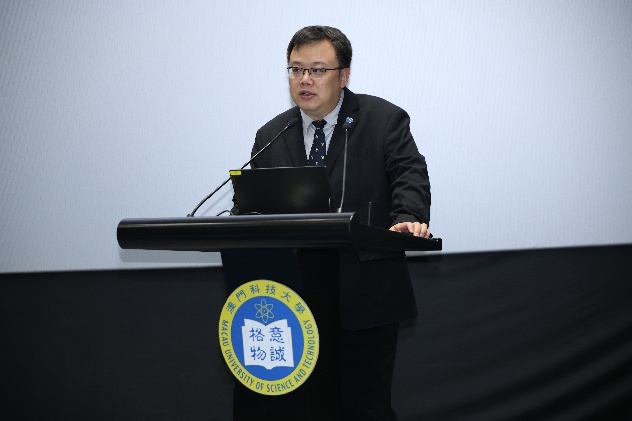
Professor Liu Dahai of Renmin University of China delivering his keynote presentation
Mr. Li Jiaxing, Chairman of the China Green Building and Energy Saving (Macau) Association, delivered a keynote presentation entitled “Technological Development for Advancing the Green and Low-Carbon Transition,” highlighting the critical role of technological innovation in promoting green and low-carbon development.
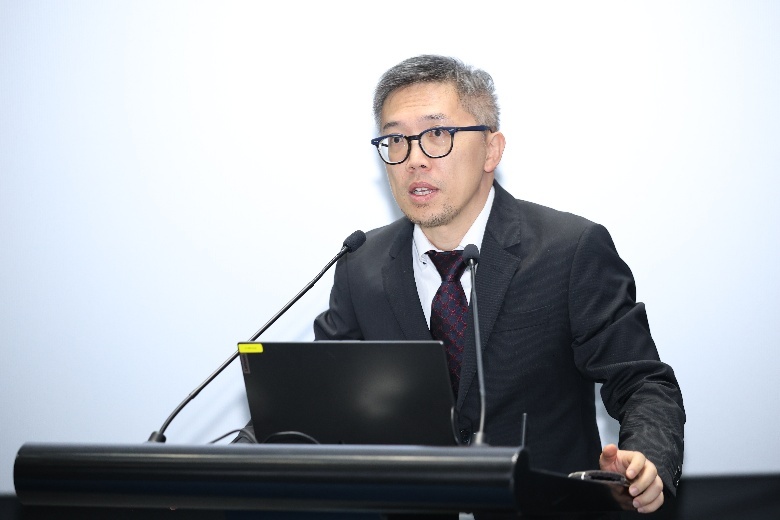
Mr. Li Jiaxing, Chairman of the China Green Building and Energy Saving (Macau) Association, delivering his keynote presentation
The successful conclusion of the Forum on the Development of Green and Net-Zero Technologies in the Greater Bay Area not only showcased MUST’s cutting-edge research capabilities and technological innovation in the field of green and low-carbon development, but also marked an important step forward for Macau in responding to China’s national “Dual-Carbon” strategy and advancing the green transition.
Building on the forum as an important platform, MUST will continue to deepen research into smart carbon management and carbon-neutrality technologies, while actively expanding research and teaching in related fields. Through these efforts, the University will contribute its academic expertise and innovative capabilities to green and low-carbon development in Macau, the Guangdong-Hong Kong-Macau Greater Bay Area, and beyond.